
The Skin Moisture Barrier & Eye Health: Why It Matters for Dry Eye & Ocular Aesthetics
When people think about dry eye, they usually think about tears. When they think about aesthetics, they often think about wrinkles, puffiness, or dark circles. But one of the most overlooked pieces of both eye comfort and eye-area beauty is the skin moisture barrier.
The skin around the eyes is delicate, thin, and highly vulnerable to irritation. It is also closely connected to the health of the eyelids, lashes, meibomian glands, and ocular surface. When this barrier is compromised, it can contribute to dryness, redness, sensitivity, inflammation, and a tired or prematurely aged appearance.
At BRIGHT Eyes, we believe healthy eyes and healthy skin go hand in hand. Understanding the skin’s natural moisture barrier can help you better protect the eye area, improve comfort, and support both dry eye relief and ocular aesthetic goals.
What Is the Skin’s Natural Moisture Barrier?
The skin’s natural moisture barrier is the outermost protective layer of the skin, also called the skin barrier or lipid barrier. It is made up of skin cells, ceramides, cholesterol, fatty acids, and natural oils that work together to hold in hydration and block out environmental irritants.
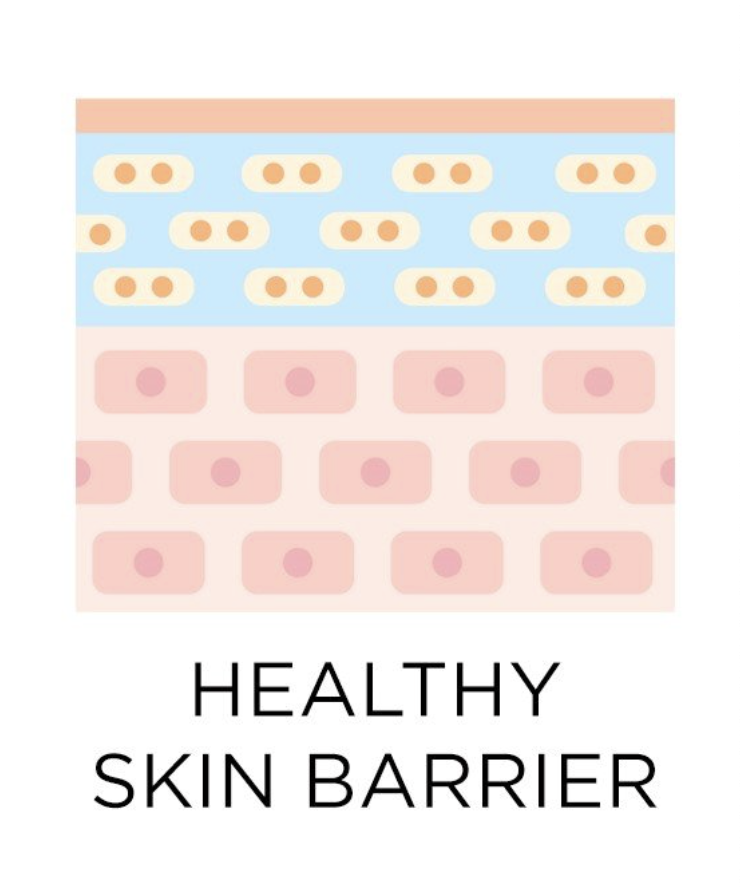
Healthy Skin Barrier
A simple way to picture it is as a brick-and-mortar wall. The skin cells are the bricks, and the lipids are the mortar that seals the wall together. When the barrier is healthy, skin feels smooth, calm, and hydrated. When it becomes disrupted, the skin can become dry, inflamed, reactive, flaky, and more prone to irritation.
Did You Know?
The skin around your eyes is thinner and more delicate than the skin on the rest of your face, which means it can lose moisture more easily and show signs of irritation, inflammation, and aging sooner. When the moisture barrier is compromised, it may affect not only how the eye area looks, but also how your eyes feel.
Why the Moisture Barrier Matters Around the Eyes
The skin around the eyes is much thinner than the skin on the rest of the face. It is exposed daily to makeup, makeup remover, skincare products, allergens, UV light, rubbing, screen-related strain, and environmental stressors. That means it can become irritated more easily and recover more slowly.
For patients with dry eye and ocular surface disease, this is especially important. The eyelid skin is part of the environment surrounding the tear film and meibomian glands. When the skin barrier is unhealthy, it can add to inflammation and worsen symptoms.
A weakened moisture barrier around the eyes may lead to:
Dry, flaky, or tight skin on the lids or under-eye area
Burning or stinging with skincare products
Increased redness and sensitivity
Irritation from makeup, lash products, or cleansers
Worsening discomfort in patients with blepharitis, rosacea, Demodex, or meibomian gland dysfunction
A dull, crepey, or prematurely aged look around the eyes
The Link Between Skin Barrier Dysfunction & Dry Eye
Dry eye is often more than a tear deficiency. In many patients, it is an inflammatory condition involving the tear film, eyelids, lashes, and oil glands. The skin around the eyes can either support that system or contribute to its dysfunction.
When the eyelid skin is repeatedly exposed to harsh products or chronic irritation, it can disturb the delicate balance of the ocular surface. This is especially common in patients who use:
Harsh facial cleansers near the eyes
Waterproof eye makeup that requires aggressive removal
Lash serums or cosmetic products applied close to the lid margin
Anti-aging products not intended for the eye area
Exfoliating acids or retinoids too close to the eyes
Sometimes what seems like “sensitive skin” is actually a compromised barrier contributing to ongoing eye irritation.
MYTH: “If the skin around your eyes is dry, you just need a thicker eye cream.”
FACT: Dry, irritated skin around the eyes is not always just a skincare issue. It can be linked to inflammation, eyelid disease, ocular rosacea, blepharitis, Demodex, meibomian gland dysfunction, or dry eye disease. In many cases, the best results come from treating both the skin barrier and the underlying eye-area inflammation.
Why Moisture Barrier Health Matters in Ocular Aesthetics
In ocular aesthetics, healthy skin is the foundation for better results. If the skin barrier is damaged, the under-eye area can appear inflamed, dull, dehydrated, puffy, or crepey. Even excellent products may not perform well if the skin is already irritated and depleted.
Supporting the barrier can help the eye area appear:
Smoother
More hydrated
Less reactive
Brighter and more refreshed
Better prepared for aesthetic treatments and active skincare ingredients
This is why barrier support should be part of any thoughtful under-eye or periocular skincare plan.
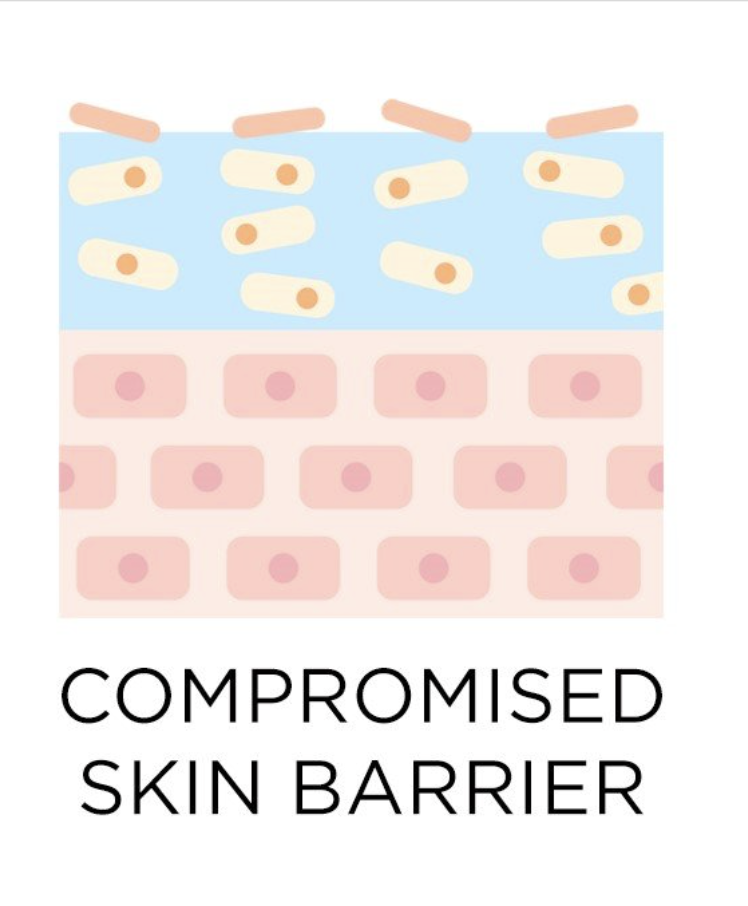
Signs Your Eye Area Moisture Barrier May Be Compromised
You may have a weakened moisture barrier around the eyes if you notice:
Chronic dryness around the eyes
Stinging or burning with skincare
Red, itchy, or flaky eyelids
Sudden intolerance to products you used to handle well
Rough or crepey under-eye skin
Ongoing inflammation associated with allergies, rosacea, blepharitis, or dry eye
How to Support the Skin Barrier Around the Eyes
1. Use a Gentle Cleanser
Choose a mild cleanser that removes debris, sunscreen, and makeup without stripping the skin. Avoid scrubbing or rubbing the eye area aggressively.
2. Be Selective With Active Ingredients
Retinoids, exfoliating acids, acne products, and strong anti-aging ingredients can irritate the delicate eye area if used too closely or too often.
3. Prioritize Barrier-Friendly Skincare
Look for ingredients such as ceramides, hyaluronic acid, glycerin, squalane, and nourishing lipids to help support hydration and repair.
4. Protect the Eye Area From UV Exposure
Daily sun protection matters. UV damage can weaken the skin barrier and accelerate aging around the eyes. Sunglasses, hats, and sunscreen are all helpful.
5. Simplify Your Routine
Too many products can increase irritation. A simple, strategic routine is often better than layering multiple products at once.
6. Consider the Ocular Surface
If you have dry eye, blepharitis, rosacea, or chronic irritation, your eye-area skin may need more than standard skincare advice. A targeted evaluation can help uncover contributing factors.
A BRIGHT Solution for Dry, Irritated Eyes and Sensitive Eye-Area Skin
If the skin around your eyes feels dry, reactive, crepey, or inflamed — or your eyes themselves feel irritated, tired, or uncomfortable — you do not have to guess your way through it.
Book a Dry Eye Evaluation– Get to the root of your symptoms with a comprehensive look at your tear film, eyelid margins, meibomian glands, and ocular surface. Together, we’ll identify what may be contributing to both eye discomfort and irritation around the eye area, then create a personalized treatment plan to support healthier, calmer eyes and skin.
Book an Eye Spa Treatment – Support the health of your lids, ocular surface, and periocular skin with targeted in-office care. Depending on your needs, treatment may help reduce inflammation, improve gland function, calm irritation, support the moisture barrier, and refresh the overall appearance of the eye area — all with a customized approach designed for your eyes.
Purchase Doctor-Selected Products – The right products can make a meaningful difference at home. Shop our curated selection of dry eye, lid hygiene, and eye-area skincare products chosen to help support the moisture barrier, reduce irritation, and maintain healthier eyes and skin between visits.
At BRIGHT Eyes, we believe the eye area deserves specialized care that honors both wellness and beauty. When we support the skin barrier, we are not only improving the way the eye area looks — we are helping create a healthier, calmer environment for the eyes themselves.
Educational content only; not a substitute for personalized medical advice.
