
Demodex Mites: The Scary Truth Crawling on Your Eyelids
The Spookiest Thing on Your Lashes This Halloween Isn’t Makeup
If you’ve been dealing with itchy lids, crusty lashes, or recurring eye irritation, the culprit may not be your mascara, allergies, or dry air. The truth is scarier (and smaller) than you think: microscopic parasites called Demodex mites could be making themselves at home in your lash follicles.
October is the perfect time to talk about these “creepy crawlies” because while they’re invisible to the naked eye, their effects are anything but.

What Exactly Are Demodex Mites?
Demodex are tiny, eight-legged mites that naturally live on human skin. In low numbers, they’re harmless. But when they multiply out of balance (especially along the eyelids and lash line) they can cause a condition called Demodex blepharitis.
Under magnification, they look like little translucent worms with stubby legs (if that visual didn’t just make you shiver, nothing will).
When overgrown, Demodex can trigger:
Inflammation of the eyelid margins
Blocked oil glands (meibomian gland dysfunction)
Chronic redness and irritation
Cylindrical dandruff-like debris at the lash base
Did You Know?
Demodex mites are most active at night, which means your lids can be crawling while you sleep. Lesson: clean your eyelids & eyelashes before going to bed.
Symptoms of Demodex-Related Dry Eye
If you have an overpopulation of Demodex, you might notice:
Itchy eyelids, especially in the morning
Red or swollen lash lines
Flaky, waxy, or cylindrical crusts on lashes
Foreign body sensation (feeling like something’s in your eye)
Dry, gritty, or stinging eyes
Frequent chalazia or styes
Who’s at Risk?
Anyone can develop a Demodex problem, but risk increases with:
Age (especially over 40)
Rosacea or oily skin
Weakened immune system or chronic inflammation
Poor lid hygiene or heavy eye makeup use
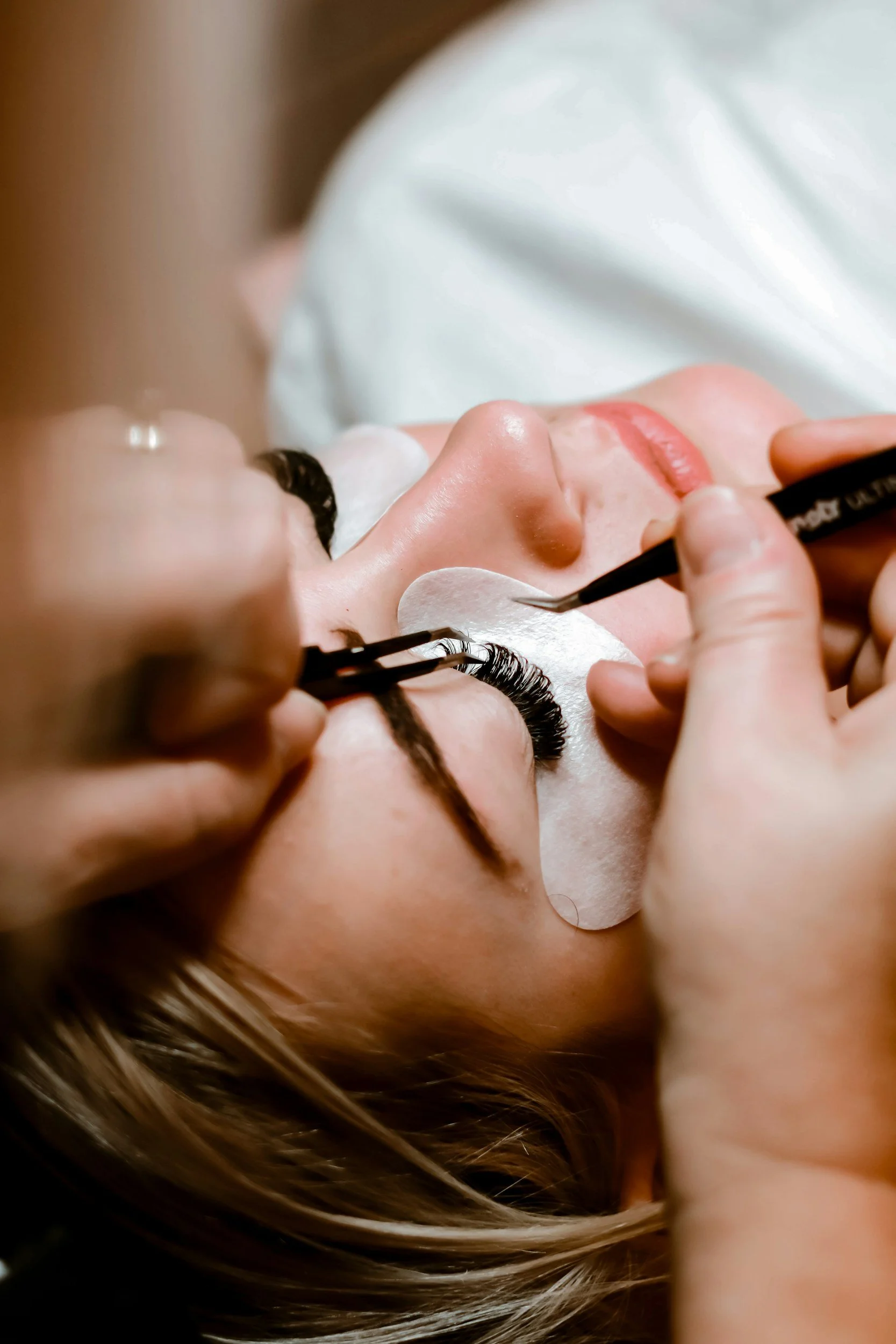
Lash extensions (mites can hide in adhesive and along lash bases)
How We Diagnose Demodex
At BRIGHT Eyes, we perform a slit-lamp eyelid and lash exam to look for telltale signs, such as cylindrical dandruff at the lash base.
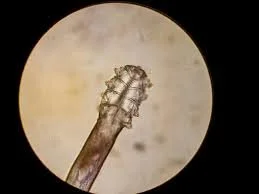
If needed, we can take a sample lash and examine it under magnification to confirm the presence of mites.
How to Evict the Eyelid Invaders
Clearing Demodex requires a targeted, consistent approach — your typical over-the-counter eye drops won’t touch them.
1. Professional Lid & Lash Cleansing
A professional deep cleansing using NuLids Pro and ZEST to remove buildup, bacteria, and debris along the lash line—like a dental cleaning, but for your eyes. This helps to treat blepharitis and demodex, prevents styes, and supports lash and lid health. Gentle yet powerful, the results are immediate and leave you with a clean, fresh lash line.
💡 Pro Tip: Recommended every 6 months for maintenance or in-between lash extension sets.
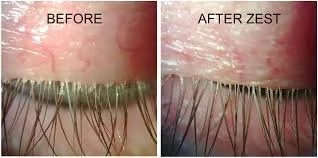
Before & After ZEST (Zocular Eyelid System Treatment)
ZEST is an eyelid cleansing treatment that uses a soothing, okra-based gel to remove bacteria, debris, and biofilm from the eyelid margins.
2. At-Home Lid Hygiene Care
At-home lid hygiene is essential for controlling Demodex and preventing reinfestation between in-office treatments. Key ingredients like hypochlorous acid and tea tree oil offer antimicrobial, anti-inflammatory, and mite-fighting benefits. Daily eyelid cleansing can dramatically reduce symptoms like itching, crusting, and lash loss over time.
Our top at-home Demodex-fighting picks:
Optase Tea Tree Oil Gel – A gentle 3-in-1 formula that cleanses, moisturizes, and soothes the eyelids while targeting mites naturally.
Optase Protect Eyelid Cleansing Spray – Contains 99.6% pure hypochlorous acid to reduce inflammation and bacteria without stinging.
Zocular ZocuShield Eyelid Cleanser – Just one drop of this gel is all it takes to keep your lash line clean and healthy.
💡 Pro Tip: Keep lid wipes or spray in your purse, gym bag, or carry-on for easy on-the-go eyelid cleansing.
3. Low-Level Light Therapy (LLLT)
LLLT uses medical-grade red and blue light to gently heat and disinfect the eyelid area. Blue light is especially effective at targeting Demodex mites and their bacterial byproducts, while red light reduces inflammation and promotes tissue healing. It’s non-invasive, painless, and requires no downtime.
4. Xdemvy™ (lotilaner ophthalmic solution 0.25%) Eye Drops
Xdemvy is the first and only FDA-approved prescription eye drop specifically designed to treat Demodex blepharitis. It kills the mites at the root by paralyzing their nervous system, reducing inflammation, collarettes, and eyelid discomfort in as little as 6 weeks of use. Ideal for patients with moderate to severe infestations or recurring symptoms.
MYTH: “Only people with poor hygiene get eyelid mites.”
FACT: Demodex can affect anyone, regardless of cleanliness, but proper lid hygiene is key to keeping them under control.
Quick Tips to Keep Mites Away:
Remove eye makeup completely before bed.
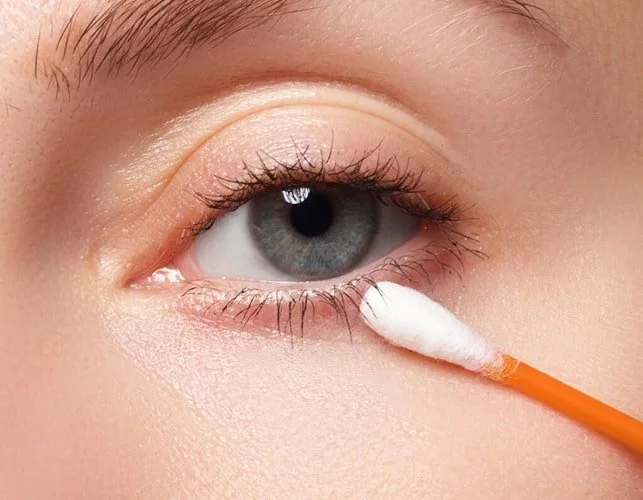
Clean lash line daily with a safe lid cleanser.
Replace eye makeup every 3-6 months.
Avoid sharing towels or makeup brushes.
Don’t Let Invisible Pests Haunt Your Lash Line
Demodex mites may be tiny, but their impact on your eye comfort is anything but. We’ll help you identify the problem, clear the infestation, and protect your eyes from future flare-ups.
Book a Demodex Evaluation – Get a personalized diagnosis and treatment plan, including prescription medication.
Schedule a Professional Lid & Lash Cleansing – Gently removes collarettes, debris, and biofilm to restore a healthy lash line.
Shop Eyelid Hygiene Essentials – Browse our curated selection of sprays, wipes, and cleansers for daily mite defense.
Relief starts at the root—let’s treat your lashes right.
Educational content only; not a substitute for personalized medical advice.
