
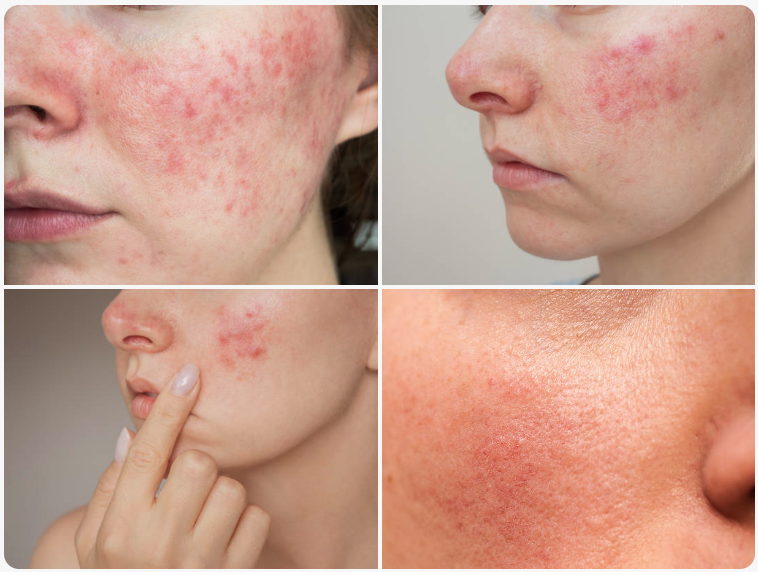
You've been treated for rosacea for years. Your dermatologist manages your facial redness and flushing. Things are mostly under control.
But your eyes have felt uncomfortable, irritated, and dry for just as long. You assumed it was separate and just a coincidence that you happen to have both conditions.
It's not a coincidence. Your rosacea and your dry eye are directly connected. And treating one without the other guarantees incomplete relief.
What Is Ocular Rosacea?
Rosacea is an inflammatory condition affecting your skin. But many people don't realize: rosacea also affects your eyes. This is called ocular rosacea, and it's more common than most people think.
Ocular rosacea causes inflammation on your eyelid margins, tear glands, and ocular surface. This inflammation disrupts tear production, damages your meibomian glands, and creates an unstable tear film.
The result: dry eye that's directly caused by rosacea inflammation.
Did You Know?
Studies find eye involvement in a large share of people with rosacea, with estimates ranging from about 1 in 3 to about 3 in 4. Many never realize it. They think their eye discomfort is unrelated to their rosacea. But it's the same inflammatory process affecting both their skin and their eyes.
Here's what makes it tricky: standard dry eye treatments often don't adequately address rosacea-related dry eye because they're not treating the underlying inflammation driving the condition.
Why They're Connected
Rosacea is a systemic inflammatory condition. It's not localized to your skin. The inflammation affecting your facial skin is the same inflammation affecting your eyelids, tear glands, and ocular surface.
When you treat facial rosacea with anti-inflammatory therapy, you're helping control the inflammation causing your dry eye. But standard dry eye treatments (drops, gels, or punctal plugs) don't address the systemic inflammation driving the condition.
SYMPTOM LIST
Symptoms of Ocular Rosacea
If you have rosacea and experience any of these, ocular rosacea is likely:
Chronic eye irritation and dryness
Sensation of grit or sand
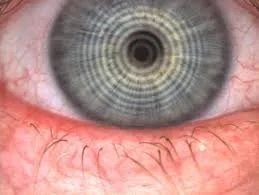
Redness on eyelid margins
Recurrent styes or chalazia (inflammation-related bumps)
Sensitivity to light
Fluctuating vision
Burning or stinging sensation
Worsening symptoms with triggers (heat, spicy food, alcohol)
Sound familiar? If you have rosacea and any of these symptoms, ocular rosacea is probably your diagnosis.
The Treatment Connection
Here's the important part: when you address the inflammation driving rosacea, you simultaneously address the inflammation driving dry eye.
Advanced rosacea management includes:
Systemic anti-inflammatory therapy: Oral medications that reduce overall inflammation
Topical anti-inflammatory drops: Specifically formulated for rosacea-related dry eye
Light-based therapy (IPL): Reduces inflammation in skin and ocular surface
Thermal gland treatments: Restores meibomian gland function disrupted by inflammation
Lid hygiene and care: Addresses inflammation-related debris and bacteria
Lifestyle and trigger management: Reduces inflammatory flare-ups
When these are combined and coordinated, something remarkable happens: both your skin rosacea and your ocular rosacea improve simultaneously.

The Coordination Advantage
Many patients see a dermatologist for rosacea and an eye doctor for dry eye, but these providers don't coordinate care. Your eye doctor might not realize you have rosacea. Your dermatologist might not know about your eye symptoms.
When rosacea and dry eye are treated as connected conditions with coordinated anti-inflammatory therapy—outcomes are significantly better.
Your Path Forward
If you have rosacea and chronic dry eye, a comprehensive ocular rosacea evaluation is essential. This identifies:
Whether ocular rosacea is driving your dry eye
Your specific inflammatory triggers
The most effective treatment combination
How to coordinate care with your dermatologist
Many patients experience dramatic improvement in both skin and eye symptoms when rosacea-related dry eye is properly diagnosed and treated.
You don't have to accept eye discomfort as an inevitable part of having rosacea. Treating the connection delivers relief for both conditions.
Ready to get started?
→Book Your Consultation
Educational content only; not a substitute for personalized medical advice.
