
You upgraded your skincare routine. New serums. Better moisturizers. That expensive eye cream everyone raves about…
And then your eyes started feeling uncomfortable.
You assumed it was coincidence. But the timing is suspicious. And you're right to wonder: Could my skincare be causing this?
The answer is yes. And it's more common than you think.
How Skincare Affects Your Eyes
The skin around your eyes is thinner and more easily irritated than the skin on your face. The skin around your eyes has fewer oil glands, thinner skin barrier, and is immediately adjacent to the ocular surface and your tear film.
When you apply products such as serums, moisturizers, oils, or sunscreen to the skin near your eyes, they can migrate. Some intentionally; some by accident. Either way, harsh or irritating ingredients can disrupt your tear film, inflame your eyelids, and trigger or worsen dry eye.
Additionally, many skincare ingredients are designed to exfoliate, penetrate deeply, or remove oil. While this is great for your face, it’s terrible for your sensitive eye area, meibomian (oil-producing) glands, and tear film.
Did You Know?
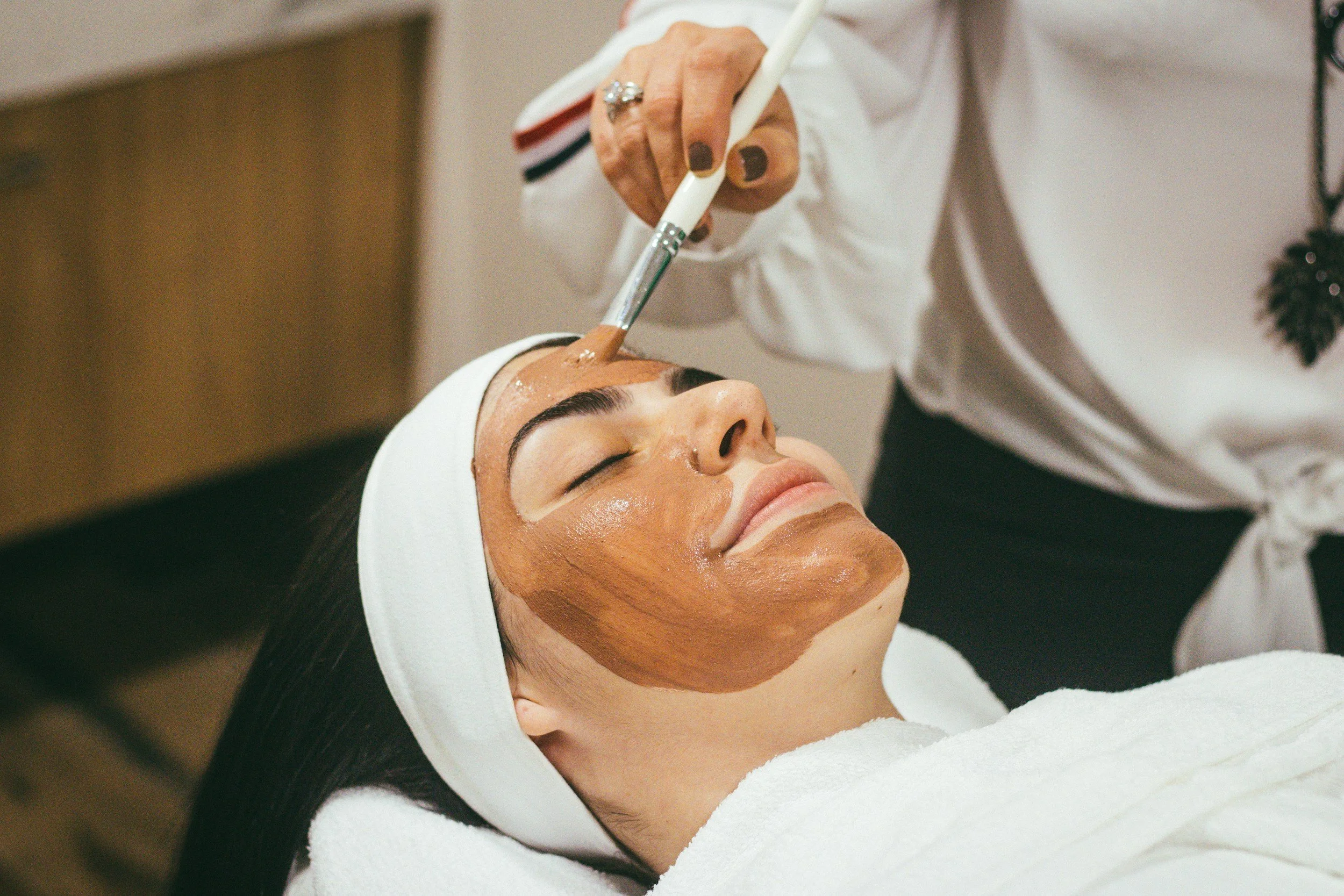
Common skincare ingredients that trigger dry eye include:
Retinol and retinoids: Increase cell turnover, can irritate eyelids and tear film
Acids (AHAs, BHAs): Exfoliate, but can inflame delicate eye area
Vitamin C: Powerful antioxidant, but acidic and irritating near eyes
Essential oils and fragrance: Irritate tear film and ocular surface
Alcohol: Dries and irritates delicate eye area skin
Peptides and actives: Some formulations are too strong for eye area
You might be using products that work beautifully for your skin, but are actively damaging your tear film.
The Eyelid Factor
Your eyelids produce oil that mixes with your tears to create a stable tear film. When you apply irritating skincare to your eyelids, you're:
Inflaming the skin that produces that oil
Disrupting oil gland function
Triggering a cascade of inflammation that reaches your ocular surface
Potentially triggering meibomian gland dysfunction (the most common cause of dry eye)
This isn't just about the ingredients you're applying. It's about where you're applying them and how it impacts the delicate ecosystem of your tear film.
THE HIDDEN CONNECTION
The Eye Makeup Connection
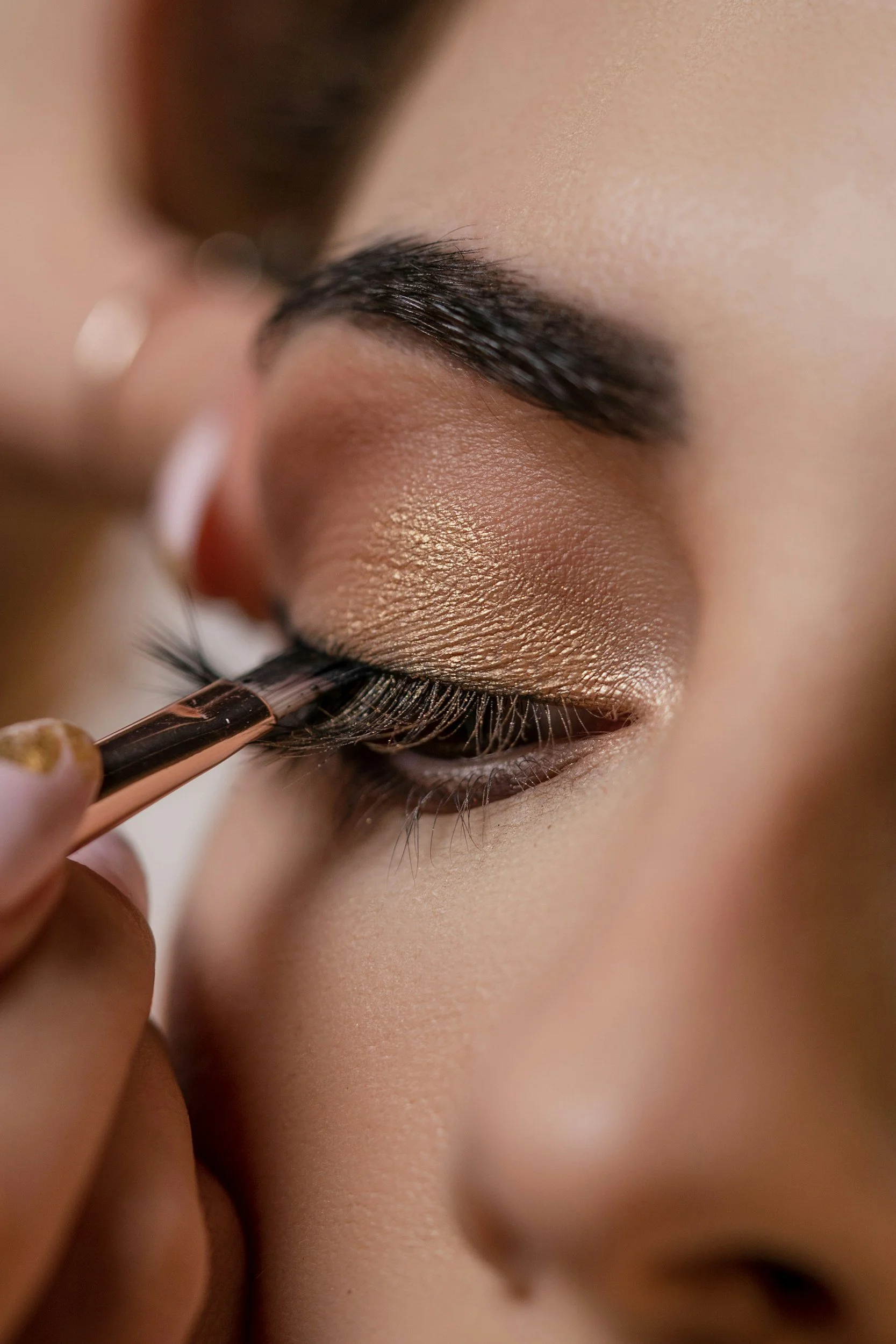
Makeup, especially around the eyes, compounds the problem. Heavy eyeliner, eyeshadow, and mascara can:
Block meibomian glands (preventing oil from reaching your tear film)
Irritate the eyelid margin
Introduce bacteria and debris
Create accumulation that disrupts tear stability
Combine harsh skincare with heavy makeup, and you've created a perfect storm for dry eye.
What Actually Works
Eye-safe skincare is not just a marketing term. True eye-safe products are:
Formulated for sensitive skin: Gentle, non-irritating ingredients
Tested for ocular safety: Won't harm tear film or ocular surface
Free of common irritants: No harsh actives, essential oils, fragrance, or alcohol
Designed to support eye area: Sometimes include tear-film-supporting ingredients
The right eye-safe products can actually support your tear health, not damage it.
The Recovery Timeline
Here's the encouraging part: if your skincare is triggering dry eye, switching to eye-safe alternatives can bring fast relief. Many patients experience improvement within 1-2 weeks of eliminating irritating products.
Your Skincare Audit
If you have dry eye and use skincare actives around your eyes, start here:
Identify harsh ingredients in your routine (retinol, acids, vitamin C, essential oils, alcohol)
Eliminate or reduce them around your eye area
Switch to eye-safe alternatives for your eye area care
Give it 2 weeks to assess improvement
Often, this simple change solves or significantly improves dry eye without additional treatment.
Professional Guidance
At your dry eye or ocular aesthetics consultation, we assess your entire routine including skincare, makeup, and lifestyle factors. We identify which products might be triggering your symptoms. And we recommend specific, proven eye-safe alternatives that nourish your skin without compromising your tear film.
Ready to get started?
→Book Your Consultation
Educational content only; not a substitute for personalized medical advice.
